

THRIVE. Build Lasting Health. Live Life On Your Own Terms.
Stop chasing PRs while your body breaks down…
Choose Quality over Quantity.
Become Strong and Resilient.
Allow your body to heal as it grows.
THRIVE at IMMA...
When we say THRIVE… what we mean is that you gain the ability to: Compete. Perform. Play. Execute. Operate. Hike. Play with your kids and grandkids. Help your neighbor move furniture. Whatever it is in life that brings you joy and contentment by moving your body and being active – that’s what THRIVE is about!!!
Just as MOVE and SURVIVE are cross-cutting domains of practice and concepts – so too is THRIVE. All training at IMMA is focused on developing all three domains. However, there are unique aspects that comprise the THRIVE phase, as discussed below.
Recover. Restore. Reset.
Learn how to integrate RECOVERY into all aspects and phases of your training: preparatory work, within each rep and set, between reps and sets, and post-training. You will learn unique methods to implement during and between training sessions, which are designed to aid in your recovery. RESTORE yourself at will utilizing simple but powerful breathwork coupled with focused movements and techniques – acting upon and enhancing your nervous system, cardiovascular system and your fascia networks. RESET your mental, emotional and spiritual baselines and re-balance the body-mind connection.
IMMA offers a myriad of integrated, and stand-alone, options for you to achieve this robust health, resilience and longevity. To name a few… Sauna, Cold-water therapy, Massage, Tai Chi and Chi Kung, Indian and Persian clubs, Advanced BreathWork practices, Specialized equipment and movements that target longevity while simultaneously developing strength, power, endurance and skill.
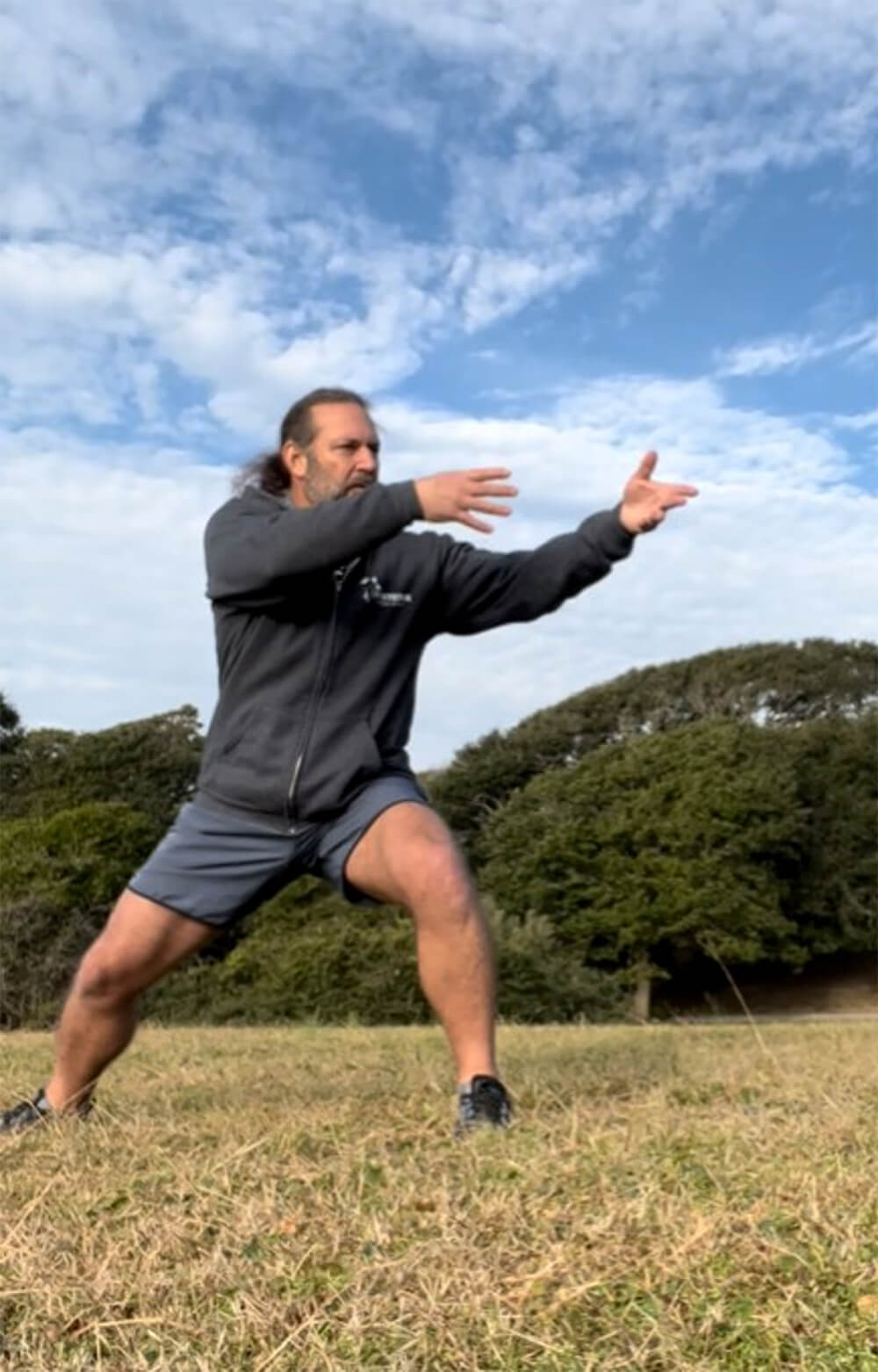
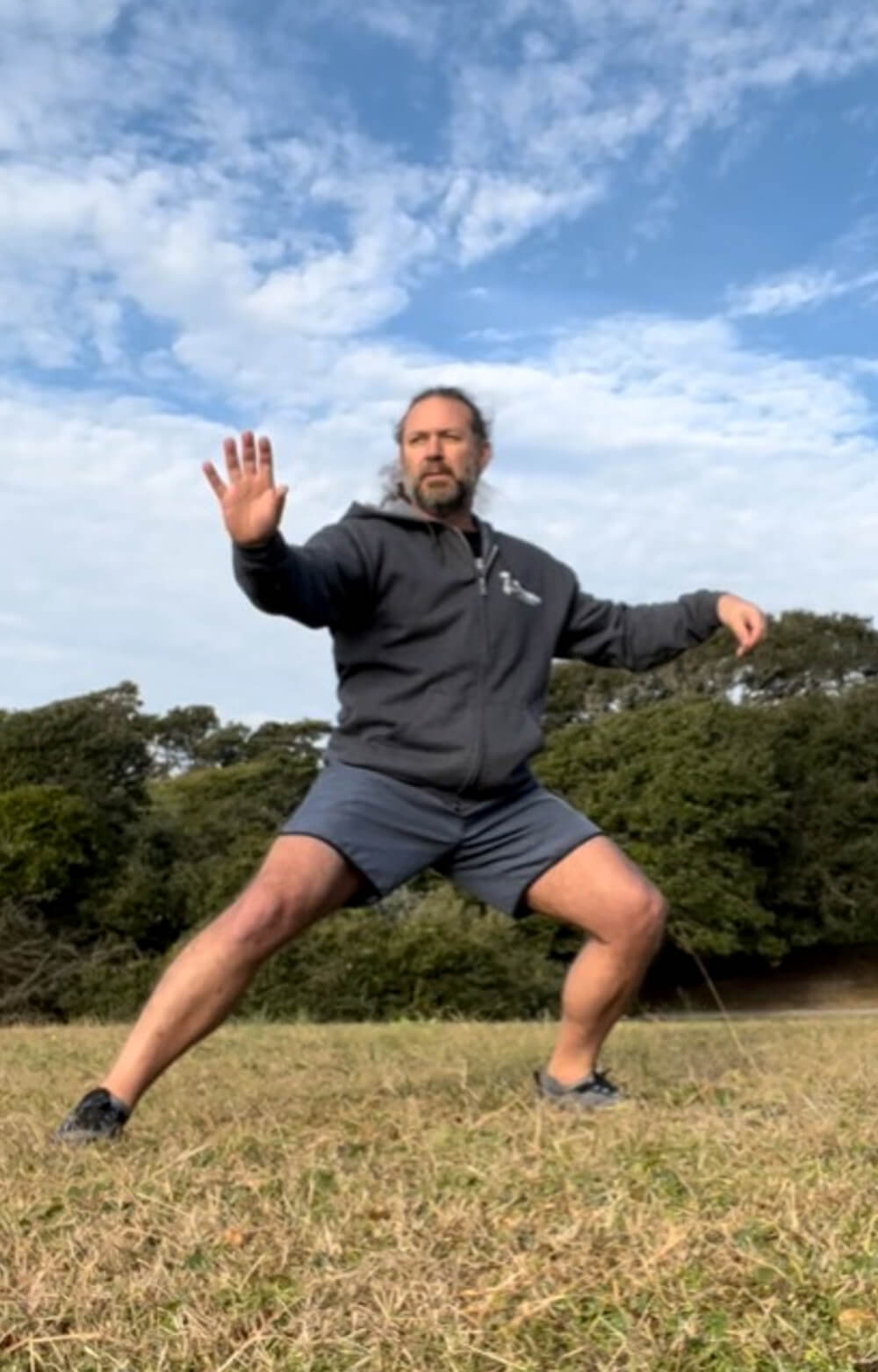
T'ai Chi Ch'uan / Taijiquan & Chi Kung / Qigong
Cheng Man-Ch’ing Yang style – this form is likely the most widely practiced form of T’ai Chi in the West. It was created by an exceptional man – Professor Cheng Man-Ch’ing – considered a Master of the Five Excellences: medicine, calligraphy, painting, poetry and martial arts/T’ai Chi. Professor Cheng brought T’ai Chi outside of China in the 1960s and 70s, teaching mainly out of New York City for many years.
The CMC Yang form has 37 movements, whereas the traditional Yang form has 108. Prof Cheng distilled the form down to the 37 movements to make it more accessible to learn. Also, the 108 form has many repetitive movements, and these were removed in the CMC form. It takes approximately 7-10 minutes to complete the CMC form, whereas the 108 can easily take more than 20 minutes.
T’ai Chi delivers a multitude of health benefits, backed by countless modern studies, as well as centuries of Chinese wisdom. Leg strength, balance, coordination, motor skill and neural development are all enhanced by practicing T’ai Chi. Deep relaxation, meditative movement, stress reduction and even cardiovascular health are all improved with a regular practice.
Although T’ai Chi itself is a moving manifestation of the Tao – as Yin and Yang – T’ai Chi can also be the Yin to your other programs of training at IMMA. A powerful balancing element to your Thrive domain of practice. Of course, you can choose to practice T’ai Chi solely and reap its many rewards.
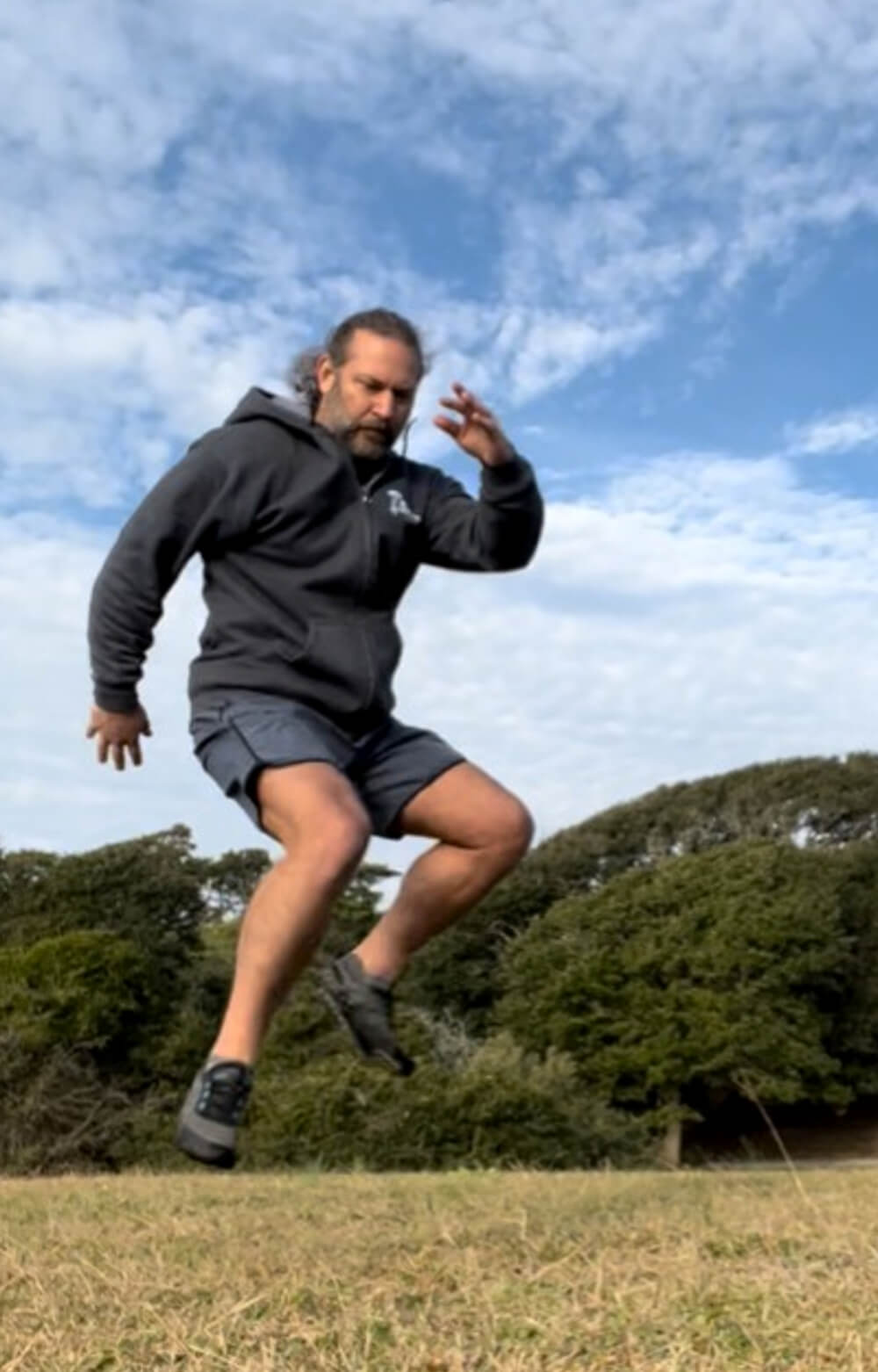
Chen Cannon Fist (Pao Chui) Old Frame form – this is considered an advanced form. The student/player should be proficient with the CMC 37, Yang long form, or one of the traditional Chen Old or New Frame routines. This form is rigorous and dynamic and exemplifies the Yin/Yang balance of movement and relaxed power. Exhibiting multiple instances of Fa Jin (release of energy or power) – it is an exhilarating form to perform. It will dramatically increase your power and cardiovascular health.
Chi Kung / Qigong – Many people ask, “what is the difference between T’ai Chi and Chi Kung?” There is no authoritative answer (that I have found) regarding these profound practices. Some will emphasize that T’ai Chi’s roots are found in martial arts, and that Chi Kung is a health and wellness practice. At IMMA, both T’ai Chi and Chi Kung are considered meditative movements, with T’ai Chi honoring its martial legacy, and Chi Kung adhering to traditional mind-body wellness practices.
At IMMA, Chi Kung is a more static practice compared to T’ai Chi. Chi Kung can be considered closer to Yoga. There are several Chi Kung forms and practices offered, briefly described below. These forms are widely accessible to the general population, offering profound results in overall health and wellness.
8-Piece Brocade Form – an ancient Taoist movement practice focused on developing robust health and strengthening the mind-body connection.
Shaolin 13 Luohan Form – another ancient practice, according to legend brought to the Shaolin Temple in China from India by the Buddhist monk Bodhidharma. This form can be practiced as a whole – i.e. performing all 13 movement – or practicing individual movements from the set of 13.
Silk Reeling – this practice is an important element of the Chen style system. The name “silk reeling” has multiple interpretations… the physical motions resemble the ancient practice of reeling silk by hand. The deeper symbology refers to the internal stirring of the Chi within the Dan Tien – which all T’ai Chi and Chi Kung forms endeavor to achieve. Silk reeling is also a very meditative movement, allowing the practitioner to easily acquire “the zone”.
BREATHWORK - THE BREATH IS THE WORK
IMMA Breathwork
the breathwork at IMMA is itself a curriculum, based on the book The Breath is the Work. A comprehensive and transformational practice that is singularly unique. You will not find a more diverse, more challenging and more effective breathwork program than what is offered at IMMA. Elevate your performance, drastically improve recovery, and replace your operating system – i.e. your psyche or your perception of consciousness. Be aware that this form of breathwork is challenging – mentally and physically – as it is designed to re-wire elements of your neurological and neuromuscular systems. This type of change dictates effort and diligence. The rewards are more than worth it.
Systema Breathwork
Systema breathwork sessions blend movement, tension and relaxation, and challenging exercises coupled with many different breathing techniques. This breathwork is focused on direct physiological and neural pathway changes, so that the practitioner will “replace their operating system”. Systema breathwork is singularly unique in the realm of breathwork and breathing techniques.
Enhanced Performance and Recovery
Learn how to apply select breathing techniques to different types of movement, strength training, power movements and recovery. The recovery techniques are game-changers and are applicable to both in-session training interval recovery, as well as post training recovery.
Meditative Breathwork
This is the most gentle of breathwork sessions offered at IMMA. While based on core Systema breathing techniques, it offers a transformative experience with very low intensity.
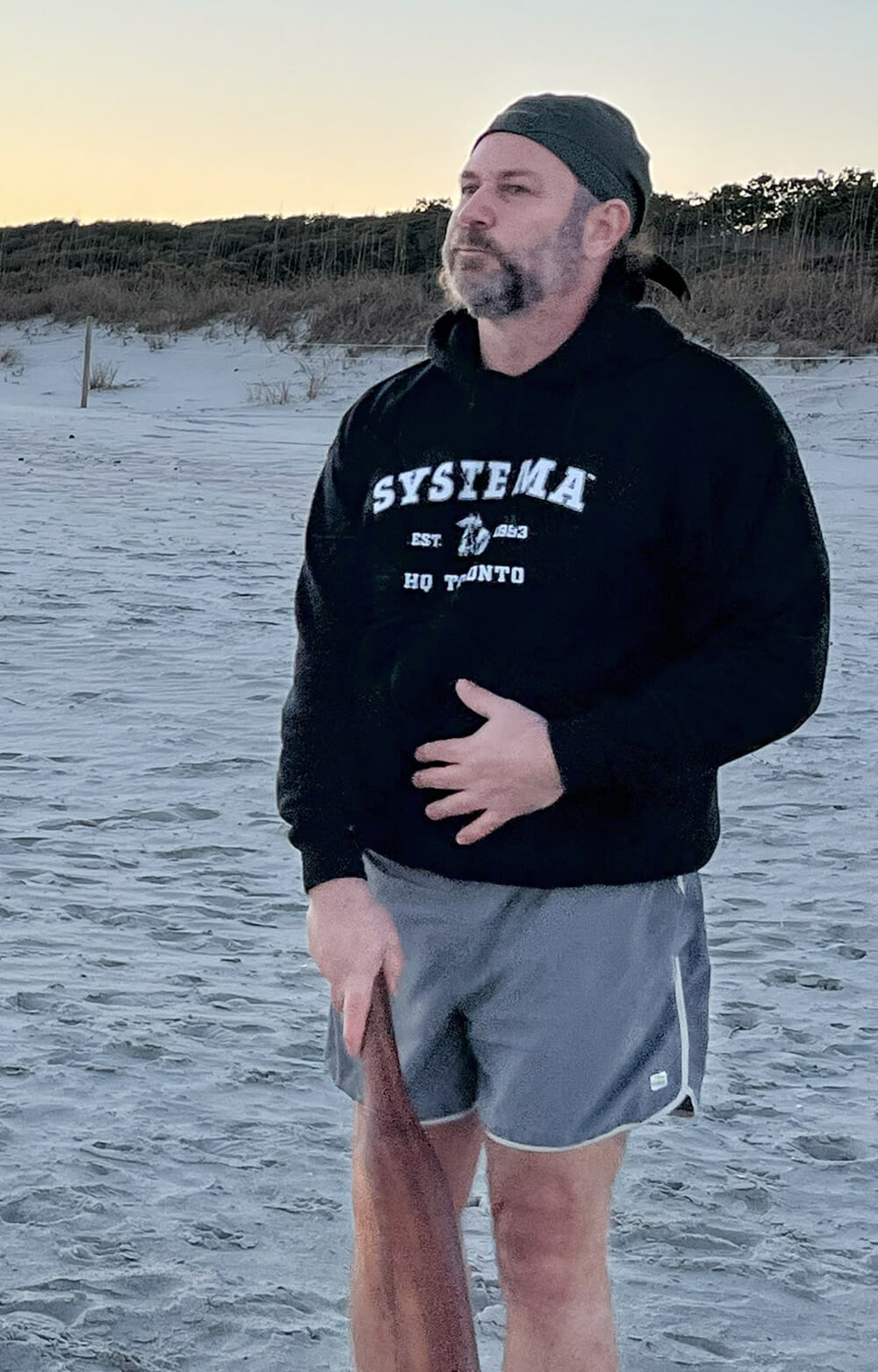
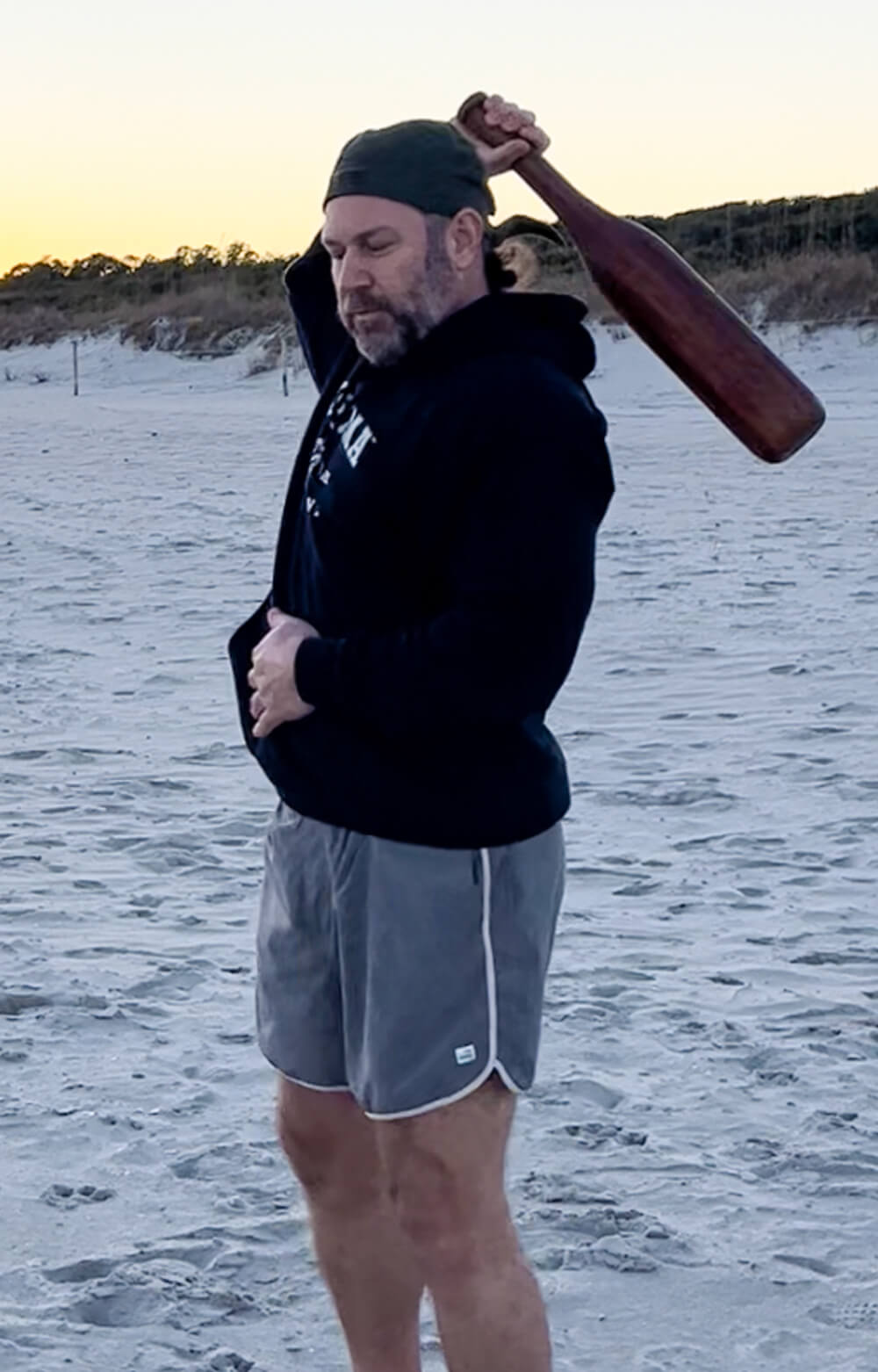
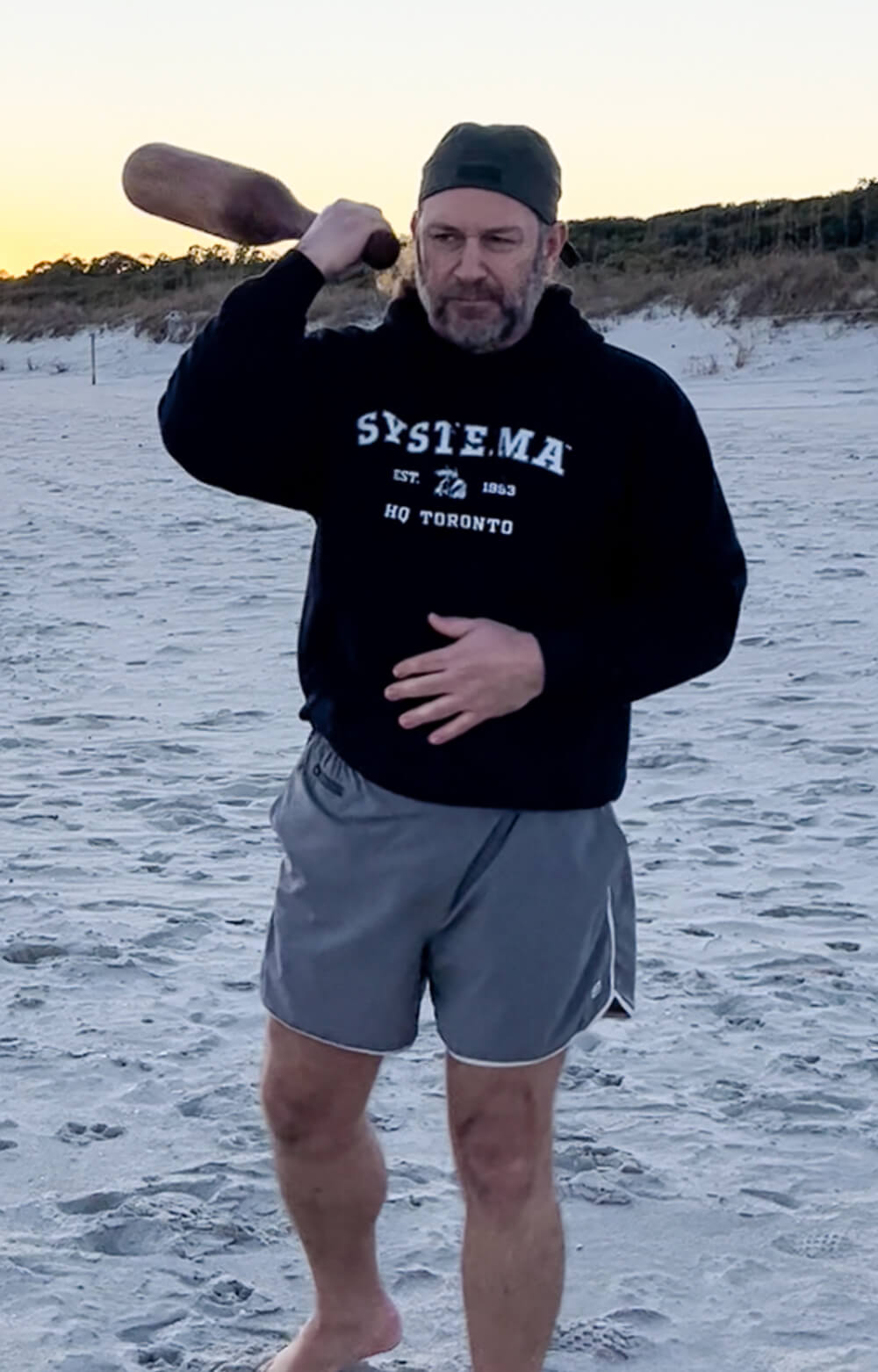
Indian Clubs, Persian Meel - Ancient Strength, Modern Healing
Club and mace swinging is one of the oldest continuously practiced forms of exercise and training in the world. Originating within the warrior class and wrestling cultures, remaining largely unchanged over the centuries.
Practice with these tools stimulates significant neural adaptations across the entire nervous system, including the brain. This training develops multiplanar rotational strength and is also excellent for increasing mobility and stability in the shoulders and t-spine. Many people have rehabilitated injured shoulders with clubs, and have served as a therapeutic for those that have neurological conditions.
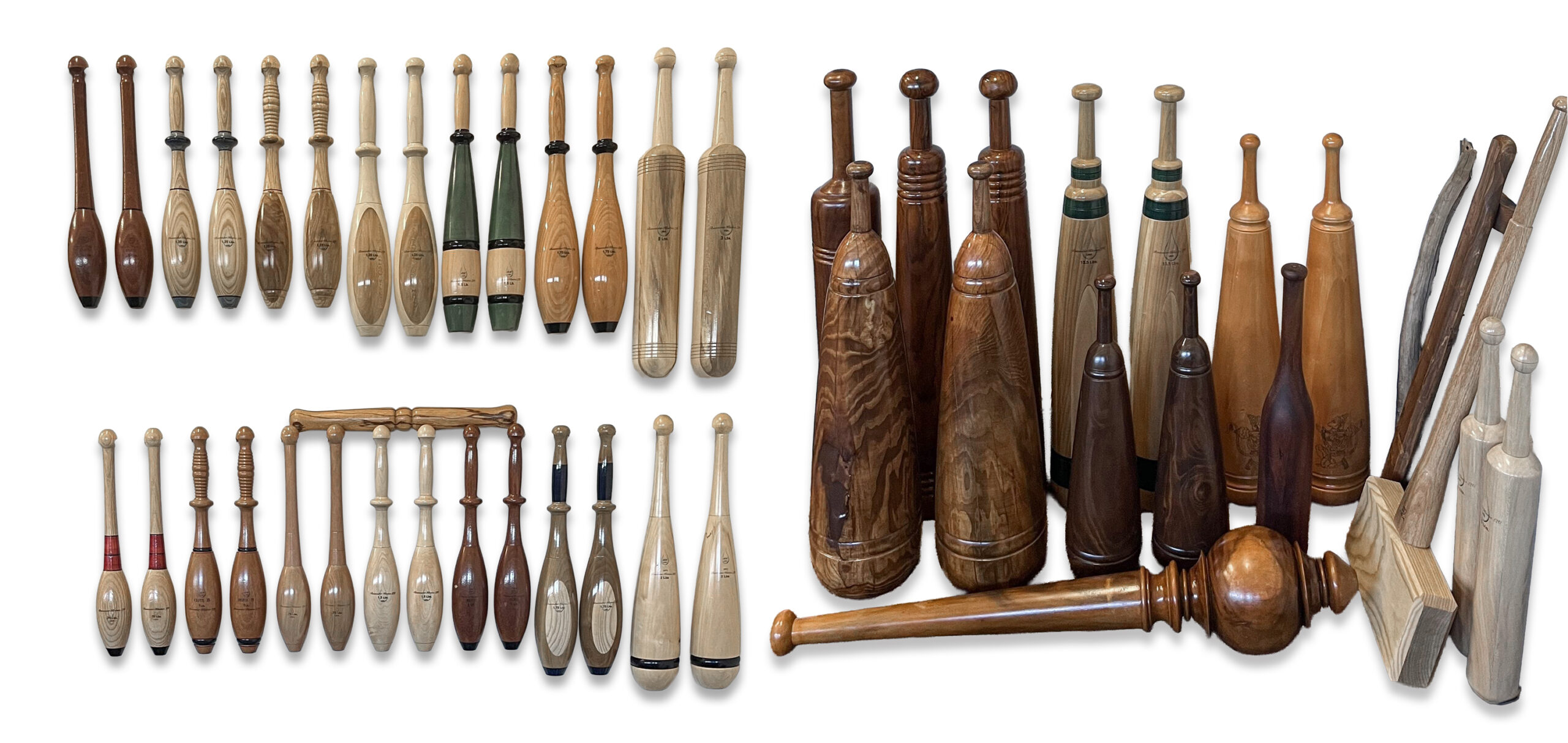
Indian Clubs, Jori, Gada
There is a huge variety of types of clubs from India. The most well-known (in the West) are the smaller, bowling pin shaped, so-called “Indian” clubs. Without a long history lesson – these smaller clubs are better labeled “British clubs” as it was British soldiers who popularized these smaller clubs. In the wrestling Akharas (traditional training hall), the jori (large wooden club) and gada (mace) are the most common tools used in training. While in the traditional Indian martial arts schools, particularly (but not exclusively) the Tamil regions, you will find the karlakattai (also a larger club – but with greater variety of shapes compared to the jori) and also the gada. Each of these club types are practiced differently.
At IMMA, you can learn the smaller Indian (British) clubs, jori, karlakattai and gada.
Persian Meel and Shena
Persian meel are very specific in their shape and swinging style, especially as compared to Indian clubs. Meel will range from smaller to very large clubs – but the shape of the meel and method of swinging is always the same. A shena (push-up board) is a unique piece of equipment used for various styles of push-ups and stretching. In the Persian Pahlavani tradition, training occurs in the Zurkhaneh (house of strength) in a very formal and structured manner. At IMMA we acknowledge the legacy of the tradition, but train in a modern context, open to anyone who wants to learn these amazing training methods.
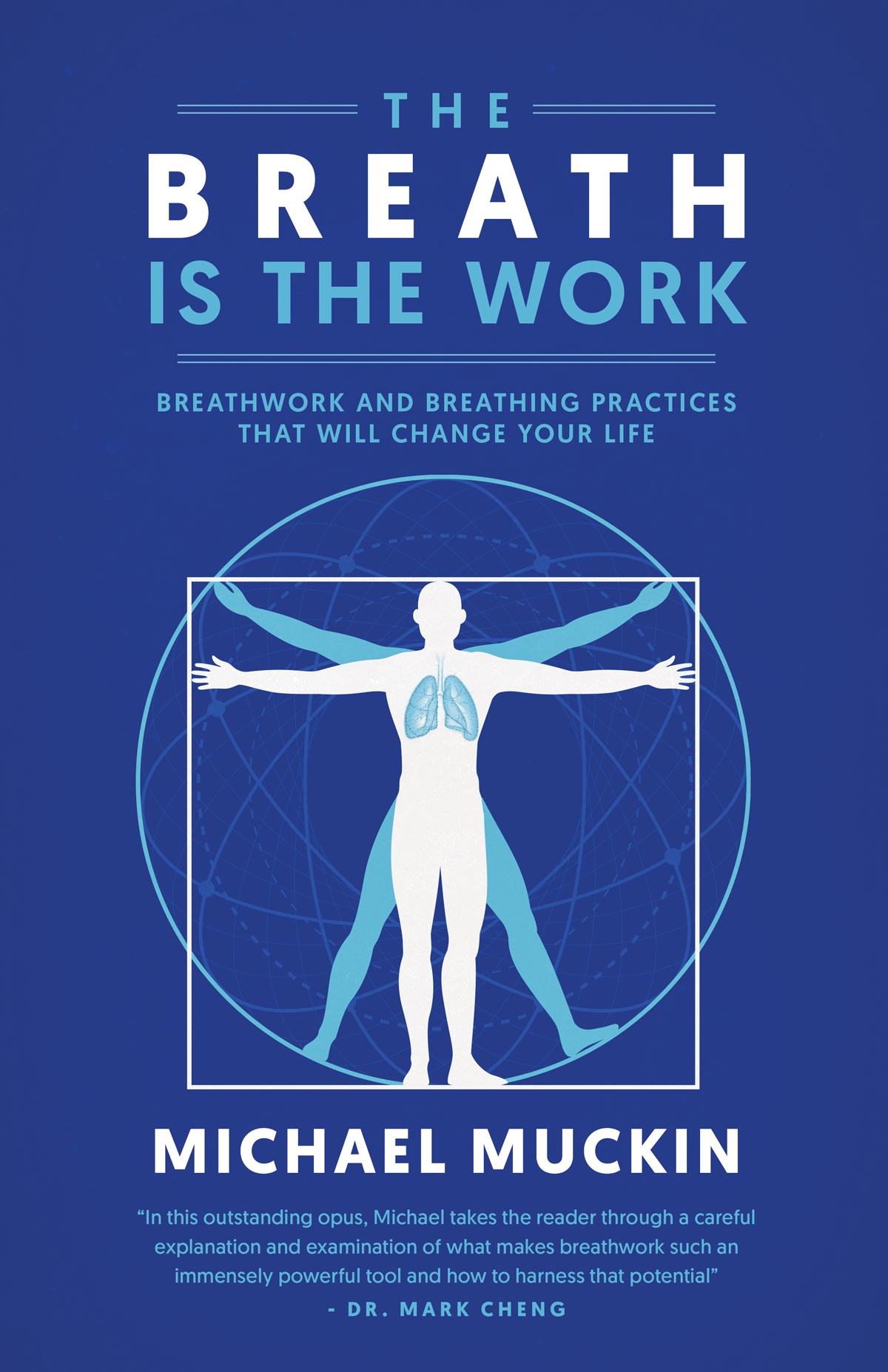
GET MY BOOK
The BREATH is the WORK
This book can change your life.
This book is for you if you:
- are a Martial Artist
- are an Athlete
- train for Strength & Conditioning
- are a Human Movement Specialist
- want to enhance your Health & Wellness
You can get it at Amazon here.
Enter your email address below to get upcoming companion videos for exercises in the book, as well as staying informed about updates on the book and breathwork training.
View Class Schedule
View our Schedule for Private and Group Classes.